Struggling To Lead From A Place of fear, brokenness, and not enough-s?
I help overwhelmed, disconnected, and unfulfilled leaders, professionals, entrepreneurs, change-makers
to recalibrate their lives with their divine destiny, purpose, and grow resilience and maturity through a holistic approach.
So they will fully carry out their potential and walk in their destiny to Kingdom assignment, lead effectively from a place of authenticity, wholeness, and confidence, and manifest an abundant life.
Download Your FREE Gift Now!
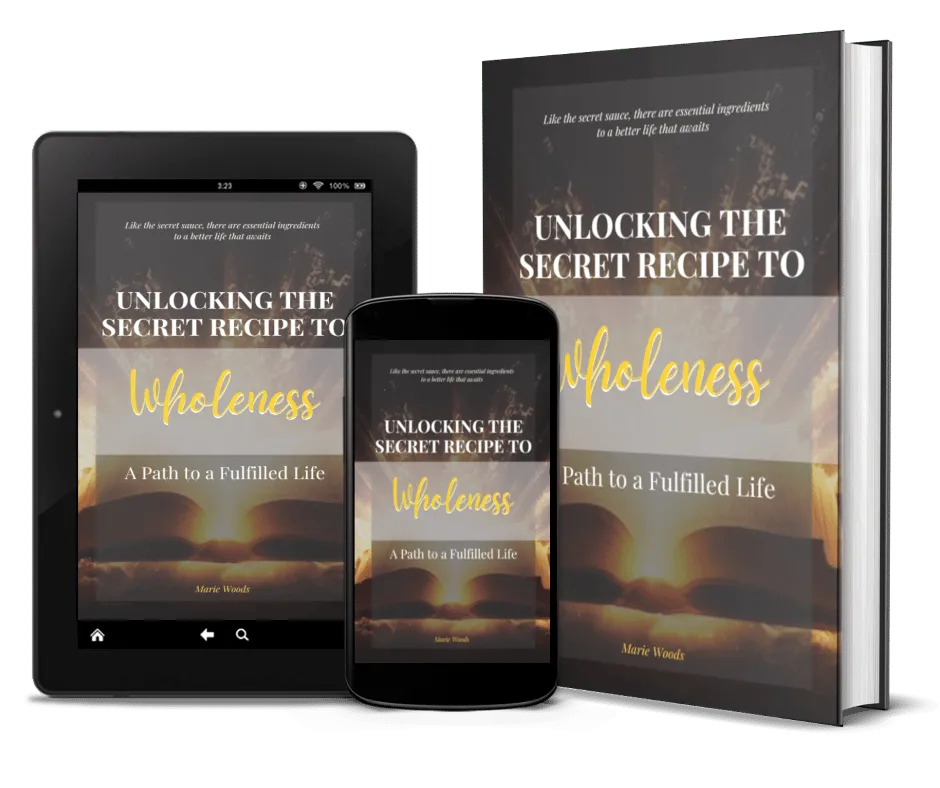
Like the Secret Sauce, There Are Essential Ingredients
To A Better Life That Awaits
Unlock Life's Secret Receipt For A Delicious Life
FREE BONUS: This eBook is one of Marie's most popular publications available as a free download. Inside of this ebook, you will learn:
Uncover the key ingredients for a meaningful and purpose-driven life.
Discover the keys to unlocking your full potential and living a joy-filled life.
Master the art of fostering abundance and positivity mindset.
Understand the importance of setting and pursuing meaningful goals.
Discover powerful tactics to conquer life's challenges and transform setbacks into stepping stones.
ACCESS MY POWERFUL RESOURCES
Our Services

Professional Counseling
Wholeness Life Coaching
MORE ABOUT ME
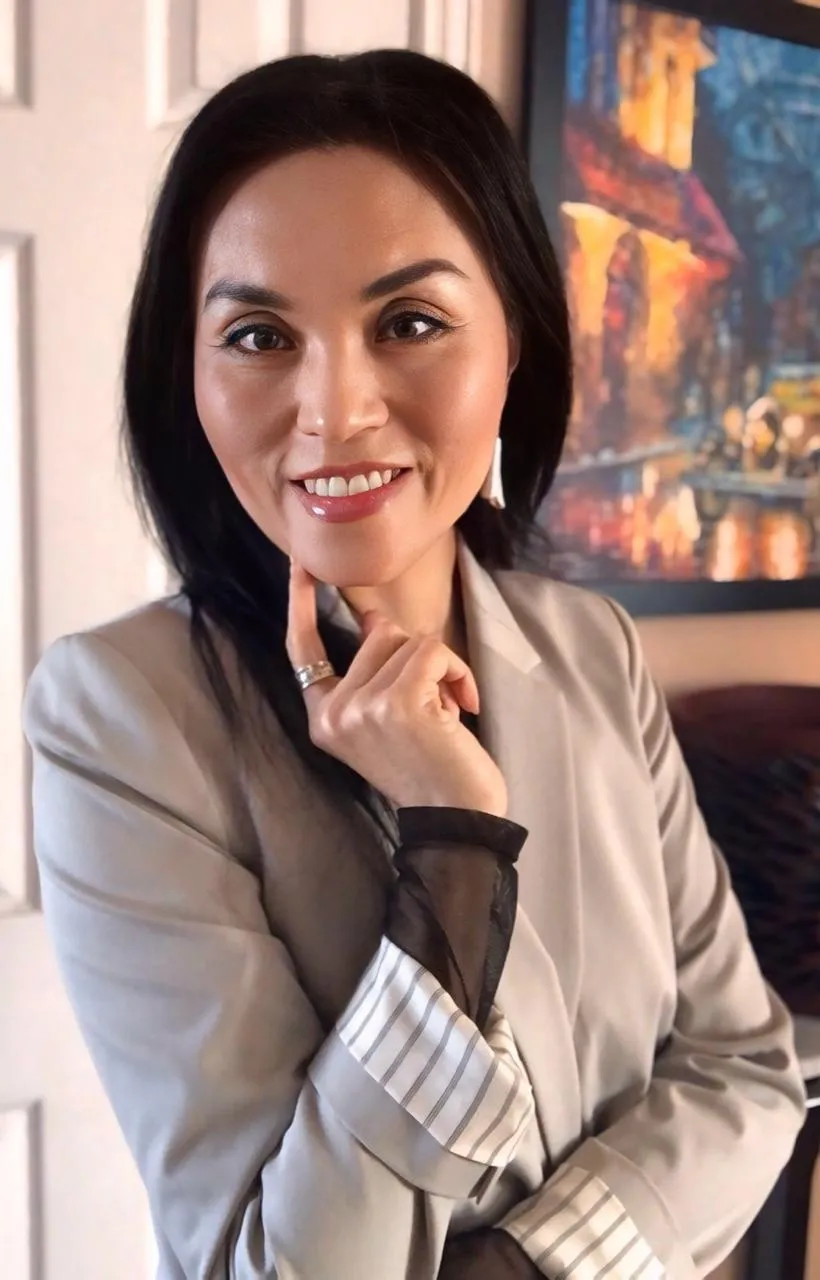
Marie Woods
Fluent in both English and Mandarin, Marie has counseled hundreds of women both nationally and internationally. She is the author of "The Wholeness Blueprint: Recipe for a Fulfilled Life" and various Bible study guides. Marie has spoken at numerous organizations and retreats worldwide, drawing from her authentic personal journey of healing from trauma to compassionately support survivors of all kinds. Her clinical practice extends to diverse populations, including immigrants, refugees, and couples navigating cross-cultural marriages.
As a fervent advocate for mental health and soul care, Marie actively collaborates with professionals and leaders to champion holistic wellbeing. Through hosting online conferences, coaching individuals to unlock their potential, and developing Wholeness coaching programs, she empowers people to fearlessly walk in their destiny, even amid adversity. Grounded in faith and dedicated to unity, Marie embodies a purpose-driven life, igniting inspiration for healing and growth in others.
Your Plans for 2024
What Are You Experiencing?
Does This Sound Like You?
Are you a leader, professional worker, entrepreneur, caretaker, or influencer? Do you desire breakthroughs and to step into your blueprint with a leap of faith to a higher level in your life? Do you want to align with God's abundance in wholeness and excel in your career, ministry, business, or relationships, even when faced with challenges, with grace and ease? Here are some of the important things you need to take consideration:
Breaking Through Strongholds, Dismantling Old Habits, and Overcoming Unconscious False Beliefs. Unlock The Mindset For Abundant Living.
Getting The Support, Resources, and Accountability Needed to Soar to New Heights for Lasting Growth and Success in Life.
Freeing from religious constraints while deepening Intimacy with God, Always Drawing Strength and Rest from Him, and Cultivating Spiritual Maturity.
Developing Unshakable Confidence in Your Identity and Life Purpose.
Accelerating Healing From Past Traumas, Losses, and Unresolved Emotional Wounds to Foster Resilience and Achieve Transformation.
Increasing Your Bandwidth, Maximizing Your Impact, and Amplifying Your Voice Through Your Unique Message To The World.
Directing Your Life's Course Towards Your Divine Calling and Navigating with Balance in Relationships, Work, Ministry, Business, and Beyond.

Does This Sound Like You, too?
In a world marked by fragmentation and chaos, Christians are called to embrace wholeness as a beacon of hope and transformation. Amidst the brokenness, they confront spiritual disconnection, burnout, and relational strife. Through personal growth and overcoming challenges, they can shine brightly, illuminating the path to redemption and restoration with great hope for all. What are some of the challenges and difficulties you face now?
Balancing ministry demands with personal well-being and spiritual growth.
Feeling that efforts to conquer challenges only yield further frustrations, disappointments, and discouragements, experiencing isolation and a lack of support in leadership roles.
Fear of rejection, criticism, and failure. Lack of confidence in pursuing your goals.
Feeling superficial or shallow, struggling with burnout, stress, overwhelmed, and maintaining authenticity in your faith journey.
Feeling ambivalent integrating your faith and work, and disconnected from your spiritual values in professional settings.
Continuously caught in the cycle of busyness, expending energy and stressed but not gaining ground.
Struggling with self-doubt, entrenched in negative emotions and recurring triggers, resulting in a sense of emptiness and disconnection from a meaningful life.
Are you grappling with communication breakdowns, emotional disconnection in your relationships? Do past hurts, trust issues, and unresolved conflicts weigh heavily on your well-being?
Struggling to set boundaries and practice self-care while supporting others? Facing feelings of inadequacy or imposter syndrome in your roles?
Are you feeling insignificant or lacking impact in your sphere of influence, uncertain about how to share your message effectively?
Are you falling behind on your tasks instead of staying ahead of everything, struggling with time management skills and self-discipline?
Sensing a disconnect from your values and greater purpose, grappling with balancing faith amid life's demands, feeling adrift or overwhelmed by responsibilities.
TESTIMONIALS
Proven Outcomes
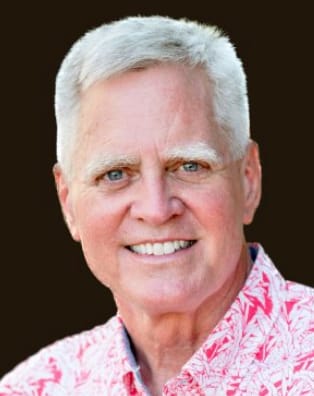
"As the Pastor of Grace Church, I have opportunities where I need to refer people for counseling. Without hesitation I think of Marie Woods.
Marie has been a trusted source for Biblical counseling, spiritual mentoring, and life coach. Whether it be in her personal counseling, wholeness life coaching, or her annual Mental Health Care conference, I know that she provides solid Biblical guidance and practical help for everyone she engages. She is professional, knowledgeable, and well respected by those I send to her. I highly recommend Marie to you!

- Joel B. Walters, Lead Pastor
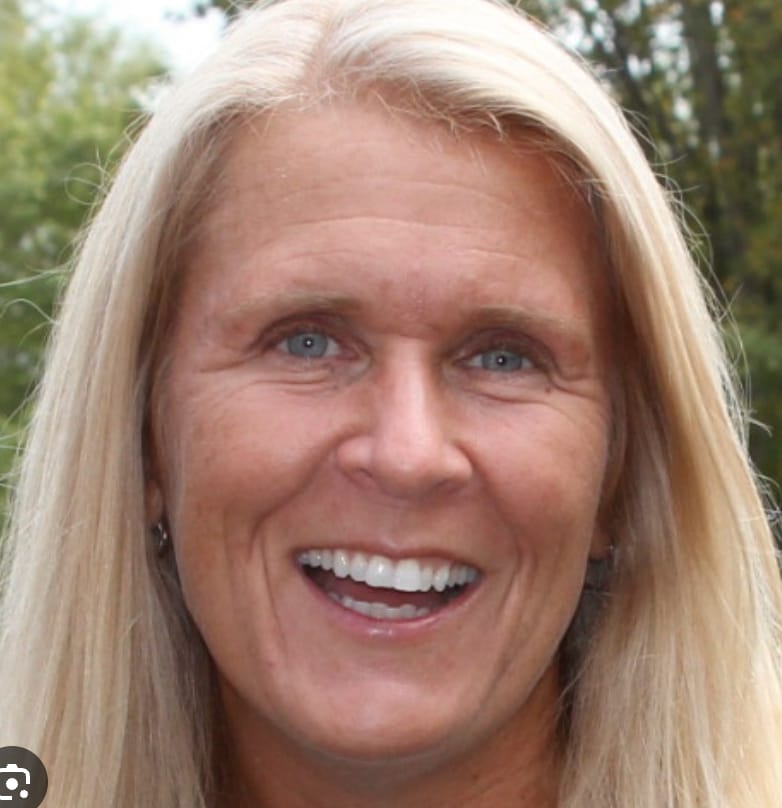
"The program itself was very worthwhile, and there was a lot of excellent content and practices. As a spiritual leader, these Biblical and practical resources are hugely important for my ongoing equipping and learning to continue providing good Biblical training for others. Marie, thank you so much for offering the holistic experience to the faith community. Thank you for all the effort and work. Please do continue running such events."
- Karen Adam, college professor

"Today, I look back on my spiritual growth during the wholeness life coaching time, I see you by my side. My heart is filled with gratitude. You have facilitated a newfound relationship with God that I’ve never experienced before. I know this kind of work can't be measured or assessed. I am so encouraged by your mission (LifeAbove). I pray that God will use you to fulfill his good work to many people."
- Yu Hong, Ph.D.
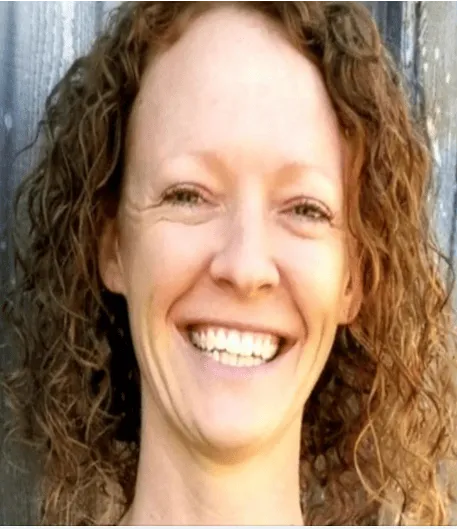
"“I want to say thank you Marie for teaching my parents. It has REALLY been a big blessing and brought a TOTAL SHIFT especially in how my dad approaches his spiritual life. Its really cool! I am so grateful!”
- Andrea Myatt
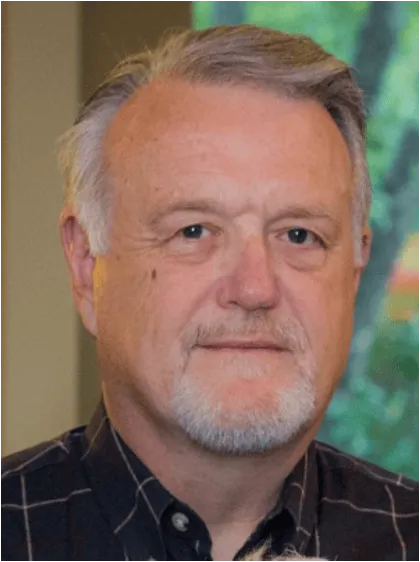
- Dr. Troy Caldwell
"I want to thank Marie for the healing, hope, and renewed faith I experienced during our 90-day coaching program. I've learned so much from her, including the strategies and disciplines in practice that have helped me grow stronger. Most of all, I appreciate that, unlike other mentors and helps I have sought, ONLY Marie was able to make sense of my confusion and broken self-image.
It was by divine appointment we met. And I am very grateful for Marie.
- Wilma Heil
why wholeness
Wholeness Is The Ultimate Answer To A Fulfilled Life
without wholeness
Lack of fulfillment and purpose in life
Difficulty in maintaining healthy relationships
Emotional instability, self-doubt, insecure
Chronic stress, fear of failure, and anxiety
Struggles with self-esteem and self-worth
Feeling disconnected from oneself and others
Unresolved trauma and past hurts
Inability to cope with adversity and challenges effectively
Physical health issues due to stress and imbalance
Spiritual emptiness and apathy
with wholeness
Deep sense of fulfillment and purpose in life
Healthy and harmonious relationships with others
Emotional resilience and inner peace
Ability to manage stress and anxiety effectively
Strong sense of self-worth and confidence
Connect with oneself and others on a deeper level
Healing from past traumas and inner wounds
Adaptive coping strategies to navigate challenges and adversity
Optimal healthy, vibrant in spirit-soul-body
Spiritual connectedness with faith and values

So, Why Wholeness?
Let's face it - Life without wholeness is like a garden overrun with weeds, where chaos stifles the growth of beauty and abundance. Such as mental health issues, physical health problems, relationship strain, spiritual disconnection, financial struggles, identity crisis, work stress, addiction, loneliness, etc.
That's Why We Need Wholeness
Life with wholeness is like a symphony, where every instrument plays in harmony, creating a beautiful and cohesive melody.
"Love is the name for our pursuit of wholeness, for our desire to be complete."
-Plato, The Symposium
Life Above Helps Restore
Your Wholeness
We Are Committed to Your Well-being
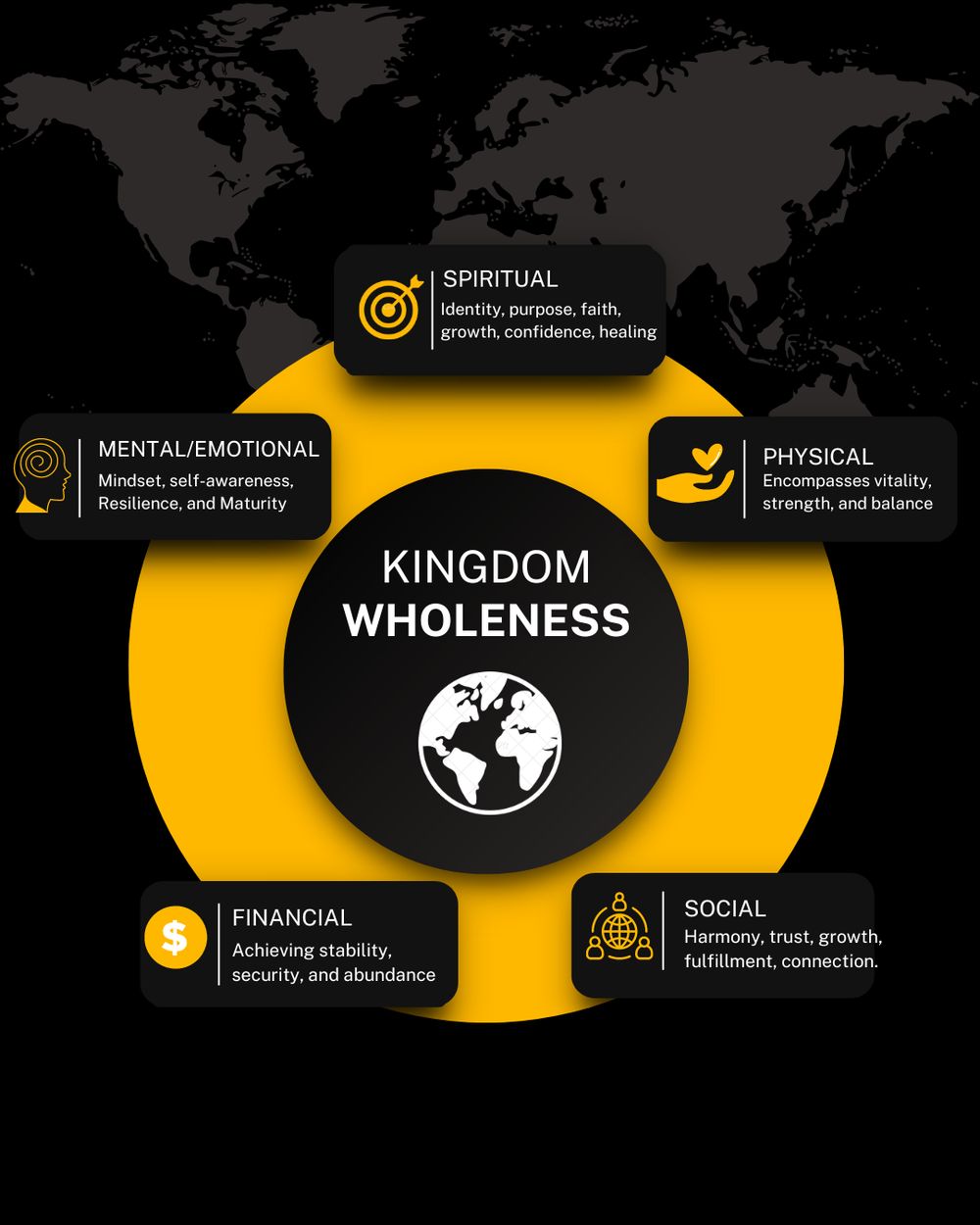
Wholeness involves the harmonious integration of various aspects of well-being, including physical, emotional, mental, and spiritual dimensions.
We Are Soul-engineers, Your Satisfaction is Our Goal
Pursuing wholeness leads to a life characterized by balance, fulfillment, and overall satisfaction. We are eager to take you on this journey with us, are you ready?
Embrace Wholeness, Step Into Your Divine Blueprint
Wholeness allows and empowers you to navigate life's challenges with strength and clarity while living authentically and aligned with your faith values.
What we offer in coaching
Our Coaching Program Gives You Everything
You Need To Thrive In Life
All Can Be Achieved Through Online!

Wholeness Life Coaching is a transformative partnership designed for leaders, professionals, entrepreneurs, and ministry workers who are ready to break through limitations and step into their divine calling. This holistic approach addresses the whole person—your mindset, relationships, spiritual foundation, and overall impact.
Through personalized coaching sessions, Marie helps you clarify your vision, dismantle old patterns, develop unshakable confidence, and create an action plan for lasting transformation. Whether you're navigating burnout, seeking greater purpose, or ready to amplify your influence, this coaching provides the support, accountability, and wisdom you need to thrive.
Supporting Statement:
This is not a generic coaching program—it’s a personalized journey designed for your healing, growth, and lasting transformation.
Who This Is For
This coaching program is designed for individuals who are ready to grow, lead, and live with purpose:
Leaders & Influencers
Ready to lead from authenticity, wholeness, and confidence rather than fear or burnout.
Entrepreneurs & Professionals
Seeking to align their work with their values and maximize their impact and income.
Ministry Workers
Wanting to deepen their faith, prevent burnout, and minister from a place of wholeness.
Coaching Benefits
Through Wholeness Life Coaching, you will experience meaningful and lasting transformation in every area of your life:
Breakthrough Mindset
Through Wholeness Life Coaching, you will experience meaningful and lasting transformation in every area of your life:
Clarity & Vision
Gain crystal-clear understanding of your purpose, values, and divine calling, and create a compelling vision for your life and work.
Confidence & Identity
Develop unshakable confidence in who you are and what you're called to do, stepping into your identity with boldness and authenticity.
Accountability & Action
Receive strategic support and accountability to move from insight to action, building consistent momentum toward your goals.
Relational Healing
Heal past wounds that impact your relationships and develop healthier communication and deeper connections with those you lead and love.
Spiritual Maturity
Deepen your relationship with God and integrate your faith into every area of your life, walking in spiritual authority and peace.

lifeabove wholeness is
Deep Walk In Your Soul
Gain a deeper understanding of their thoughts, emotions, and behaviors, leading to greater self-awareness and insight into their life's purpose and direction.
Develop the skills to navigate complex emotions, manage stress, and cultivate healthier relationships with themselves and others, fostering emotional resilience and well-being.
Embrace their true selves with confidence and authenticity, allowing them to step into their divine calling with clarity, purpose, and unwavering faith.
Download Your FREE Gift Now!
Like the Secret Sauce, There Are Essential Ingredients
To A Better Life That Awaits
Unlock Life's Secret Receipt For A Delicious Life
FREE BONUS: This eBook is one of Marie's most popular publications available as a free download. Inside of this ebook, you will learn:
Uncover the key ingredients for a meaningful and purpose-driven life.
Discover the keys to unlocking your full potential and living a joy-filled life.
Master the art of fostering abundance and positivity mindset.
Understand the importance of setting and pursuing meaningful goals.
Discover powerful tactics to conquer life's challenges and transform setbacks into stepping stones.
PARTICIPANTS' TESTIMONIALS
Want To Hear What Others Like Yourself Have To Say About LifeAbove's Program?
Here We Go...